

Finding the Launchpad for Your Brand: 4 Best Website Builder Tools Choosing the right platform is the single most critical step to launching a successful online presence. This comprehensive guide reviews the top 4 website builder tools on the market, analyzing their design flexibility, e-commerce capabilities and built-in SEO features. Whether you are building a personal portfolio or a large-scale corporate website, discover the exact platform that matches your budget and technical skill level. Making the wrong choice early on can lead to costly migrations, broken links and hours of technical frustration down the road. What You Will Learn Top 4 Platforms: Direct comparison of the leading builders. Core Feature Analysis: Assessment of speed, templates, and storage. Advantages of the Platforms: Pros and Cons of each platform. Pricing & Value Breakdown: Finding the best option for your budget. This comprehensive guide takes a deep dive into the top 4 website builder tools (WordPress, Squarespace, Wix Studio, Shopify) dominating the market today. We strip away the marketing hype to analyze their true design flexibility, e-commerce capabilities and built-in SEO features. Whether you are an independent freelancer building a personal portfolio, a growing startup launching an online store or a large-scale corporate enterprise seeking robust security, this breakdown will help you discover the exact platform that matches your budget and technical skill level. Core Feature Analysis Matrix Content Management System (CMS) & Flexibility WordPress: Elite capabilities. Offers an open-source framework with thousands of custom plugins, enabling you to build complex databases, dynamic forums and custom membership portals. Squarespace: Moderate capabilities. Restricts you to structured, grid-based layouts to ensure design consistency, making it ideal for visual portfolios but limited for complex websites. Wix: Flexible capabilities. Utilizes an unstructured canvas that allows total freedom to place text and images anywhere, though it lacks advanced backend data management tools. Shopify: Specialized capabilities. Centers its entire architecture around catalog organization, product variations and customer profiles, leaving standard blogging features basic. Search Engine Optimization (SEO) Tools WordPress: Maximum control. Integrates with industry-standard plugins like Yoast or RankMath, giving you total command over technical schema, robots.txt files and deep sitemap indexing. Squarespace: Built-in control. Provides clean, automated sitemaps, structured data and simple keyword field mapping right out of the box without requiring external installations. Wix: Guided control. Features an interactive SEO Setup Wizard that gives step-by-step optimization checklists, ideal for beginners but occasionally restrictive for advanced technical tweaks. Shopify: Sales-focused control. Automatically handles basic canonical tags and structural markup for product pages, though customizing deep URL directory paths remains rigid. Performance & Loading Speed WordPress: Variable performance. Speed depends heavily on your choice of hosting provider, theme optimization, active caching plugins and image compression practices. Squarespace: Stable performance. Delivers highly reliable speeds because its developers maintain global Content Delivery Networks (CDNs) and optimize code directly on their servers. Wix: Average performance. Heavy code layouts and unoptimized user images can occasionally slow down mobile loading times, though recent platform updates have improved core metrics. Shopify: Optimized performance. It engineers its servers specifically to handle massive traffic spikes, flash sales and fast global checkouts without crashing or lagging. E-Commerce Capabilities WordPress: Scalable via WooCommerce. Converts your site into a storefront for free but requires manual configuration of payment gateways, tax calculation tools, and security extensions. Squarespace: Basic store tools. Supports limited product inventories and standard checkouts, perfectly matching small boutiques or service businesses that sell digital download items. Wix: Entry-level sales. Includes functional shopping cart setups and multi-channel selling but lacks the robust bulk-order processing power needed for massive inventories. Shopify: Industry gold standard. Features native inventory tracking, automated shipping rate calculation, global multi-currency checkouts and abandoned cart recovery directly out of the box Stop guessing which tool is right for you. Read on to compare features, weigh the pros and cons, and choose the platform that will scale your business. Pros and Cons of the Top 4 Website Builders WordPress.org (Best for Complete Control & SEO) Pros: Offers limitless customization through thousands of plugins, superior blogging tools and advanced SEO control that helps you rank higher on Google search engine results. Cons: Requires you to purchase separate web hosting, handles its own software and security updates, and has a steeper learning curve for absolute beginners. Wix (Best for Absolute Beginners & Visual Design) Pros: Features an intuitive drag-and-drop editor that lets you place elements anywhere, includes free secure hosting and offers hundreds of beautifully designed templates. Cons: You cannot change your website template completely once your site goes live and the excessive design freedom can sometimes lead to slow mobile loading speeds. Shopify: (Best for E-Commerce & Scaling Sales) Pros: Built specifically for retail with inventory management, secure checkout systems, abandoned cart recovery and seamless integration with global payment gateways. Cons: Monthly subscription costs are relatively high, transaction fees apply if you do not use their internal payment system and it has limited blogging capabilities. Squarespace (Best for Portfolios & Visual Brands) Pros: Provides premium, award-winning design layouts that look stunning on mobile screens, boasts reliable built-in security features and requires zero technical maintenance. Cons: Lacks advanced backend customization options for complex layouts, features a rigid editing interface, and has higher price tiers for basic e-commerce integration. The Bottom Line: Matching Your Builder to Your Budget The Absolute Lowest Budget: Choose WordPress.org if you want maximum long-term value. While you must pay upfront for third-party web hosting (often as low as $3–$5 per month), the core software is completely free and you will never outgrow its capabilities. The Best Moderate Budget: Choose Wix or Squarespace if you have $16–$30 per month to spend. These platforms bundle your hosting, security and design templates into one predictable monthly fee, saving you from paying a developer to launch your site. The Serious Buisiness Budget: Choose Shopify if your primary goal is selling physical or digital products. Starting around $29–$39 per month plus transaction fees, it is a larger financial investment but its powerful checkout system quickly pays for itself by maximizing

How to Use Social Media for Business Marketing
How to Use Social Media for Business Marketing Social media is no longer just a space for sharing personal updates with friends—it has evolved into the most powerful marketing engine on the planet. For online marketing agencies, businesses and personal brands alike, platforms like Instagram, LinkedIn, TikTok and Facebook offer unprecedented access to billions of potential customers. However, simply creating an account and posting random content is no longer enough to cut through the digital noise. Without a clear strategy, your posts will get buried beneath algorithm changes and competing brands.This comprehensive guide breaks down the core mechanics of how to strategically use social media to build an engaged community, increase your organic visibility and drive meaningful website traffic. We look past the vanity metrics like likes and followers to focus on what actually moves the needle: high-impact content creation, algorithmic positioning, audience retention, and conversion funnels. Whether you are an individual trying to establish industry thought leadership or an organization aiming to scale enterprise lead generation, this post provides the blueprint you need to transform your social media channels from basic profiles into active revenue generators.Stop guessing what to post next. Read on to master platform algorithms, optimize your publishing schedules and build a sustainable social media ecosystem that works for your brand around the clock.
Hybrid Working & Digital Marketing in Kerala
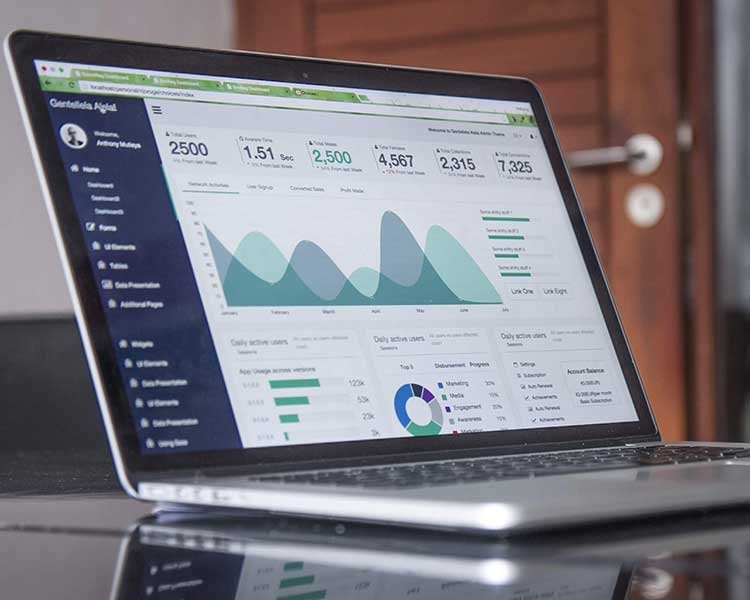
Aligning Hybrid Working with Digital Marketing The global workplace shift toward flexible environments has fundamentally altered how businesses operate, communicate and grow. Hybrid working—the strategic blend of remote and in-office setups—is no longer a temporary perk; it is a permanent operational standard. For digital marketing agencies and corporate marketing teams, this evolution has rewritten the rulebook on campaign execution, collaborative creativity and target audience behavior. As consumers spend more time in decentralized settings, their media consumption habits, online shopping schedules and digital interactions are changing fast! This deep dive explores the powerful intersection of hybrid working frameworks and modern digital marketing strategies. We analyze how decentralized marketing teams can use advanced cloud-based collaboration tools to maintain high creative output without sacrificing campaign agility or data security. Simultaneously, we examine how to optimize customer-facing marketing funnels to target the “hybrid consumer”—individuals whose daytime browsing and buying patterns differ wildly from traditional office workers. Whether you are a business leader managing a remote marketing department or a strategist trying to capture the attention of a flexible workforce, this comprehensive post provides the blueprint to navigate, adapt and scale in this new business era. Stop relying on outdated marketing frameworks. Read on to master remote campaign collaboration, update your customer audience personas and build a resilient digital marketing structure optimized for the hybrid world.

A Guide to the Marketing Agencies in India
Navigating the Indian Digital Landscape: A Guide to the Marketing Agencies in India India’s digital ecosystem is currently undergoing a massive structural revolution powered by millions of mobile-first consumers, widespread 5G access and rapid tech adoption across both major metros and emerging tier-2 or tier-3 cities. For any enterprise or startup looking to build sustainable brand equity today, establishing an optimized online presence is no longer optional—it is a critical survival metric. However, because the Indian consumer market is incredibly diverse in terms of language, regional culture and purchasing habits, executing a successful campaign requires deep localized knowledge. This is where partnering with a top-tier digital marketing agency becomes your greatest competitive advantage. This comprehensive guide serves as your strategic compass for navigating the complex and fast-moving Indian digital marketing sector. We peel back the layers of the industry to evaluate how leading agencies use advanced data analytics, hyper-targeted localized search optimization (SEO), performance-driven social commerce and high-impact programmatic advertising to capture market share. Whether you are an international corporation seeking a reliable regional partner or a homegrown Indian business looking to scale your lead generation pipelines, this deep-dive article maps out the top industry agencies breaks down their core tactical advantages and gives you the exact vetting frameworks needed to select a partner that drives true financial growth. Don’t let your marketing budgets get lost in the noise of a rapidly evolving marketplace. Read on to master the current trends, understand your agency choices, and align your brand with the best marketing minds in India. Core Feature Analysis: Localized Cultural Mastery & Linguistic Capabilities What to Look for: Multi-lingual campaign execution across India’s regional languages, alongside standard English and Hindi. Why it matters: A generic, one-size-fits-all approach fails in India’s diverse market. Top agencies understand regional consumer psychology, cultural nuances and localized trends required to make campaigns truly resonate outside of major metro areas. Performance-Driven Data Analytics & ROI Attribution What to look for: Clear integration with advanced analytics stacks (like GA4, Mixpanel, or custom CRM attribution tools) and real-time reporting dashboards. Why it matters: Many agencies focus on vanity metrics like impressions or social media likes. You need a partner that links their optimization efforts directly to your bottom-line metrics, such as Cost Per Acquisition (CPA) and Return on Ad Spend (ROAS). Technological Infrastructure & AI Adaptation What to look for: Hands-on expertise with cutting-edge marketing automation, programmatic ad networks and proprietary or advanced SEO software. Why it matters: The Indian digital space evolves rapidly. An agency using modern, AI-driven audience targeting tools can optimize your ad budgets faster and keep your brand ahead of algorithm changes on Google and Meta platforms. Case Study Transparency & Industry-Specific Expertise What to look for: Verifiable, local case studies detailing past campaign challenges, tactical execution steps and concrete growth data within your specific industry niche. Why it matters: General marketing knowledge is helpful, but B2B lead generation, app-install scaling and e-commerce retail require completely different strategic approaches. Proven experience in your sector minimizes your onboarding risk.

Digital Marketing for Gaming Companies
Level Up Your Brand: Online Marketing for Gaming Companies The global gaming industry has transformed into an entertainment juggernaut, generating more annual revenue than the film and music industries combined. With billions of active players worldwide across mobile, PC, console and web3 platforms, the market is highly lucrative—but incredibly crowded. Launching a video game or scaling a gaming brand today requires far more than standard banner ads or generic social media posts. Gamers are an exceptionally discerning, tech-savvy audience who can instantly spot unauthentic marketing. To successfully capture their attention, drive downloads and build long-term player retention, you need a marketing partner that truly lives and breathes gaming culture. This comprehensive guide takes an inside look at the digital marketing agencies specialized exclusively for gaming companies, publishers and hardware brands. We analyze how these top-tier agencies engineer viral influencer campaigns with top Twitch and YouTube creators deploy high-converting App Store Optimization (ASO) strategies and manage data-driven programmatic ads to lower player acquisition costs (CAC). Whether you are an indie developer preparing for an early-access launch on Steam, a mobile studio aiming to scale your in-app purchase revenue, or an esports organization building a global fanbase, this post outlines the exact agency frameworks needed to drive community engagement and dominate the charts. Stop launching your games into an empty void. Read on to discover, evaluate agencies specialized toolkits and find the perfect strategic team to turn players into passionate community advocates. 4 Unique Marketing Tactics for Gaming Audiences Influencer Co-creation & Interactive “Let’s Play” The Tactic: Partnering with Twitch streamers and YouTube Gaming creators to build organic, interactive gameplay showcases rather than traditional paid product reviews. Why It Works: Gamers do not trust polished corporate trailers; they trust the authentic reactions of their favorite creators. Giving influencers early access to stream alpha or beta builds generates immediate hype, allows potential players to see real mechanics in action and builds social proof within active gaming communities. Gamified Community Building via Discord & Reddit The Tactic: Establishing official, highly interactive digital hubs on platforms where gamers naturally gather, utilizing custom badges, exclusive developer Q&As and community beta tests. Why It Works: Modern gaming relies heavily on long-term player retention. By treating your community as part of the development process, you foster deep brand loyalty to turn average players into enthusiastic evangelists, and create a direct feedback loop to improve game updates and in-app purchase funnels. Hyper-Targeted App Store Optimization (ASO) & LiveOps Marketing The Tactic: Continuously updating store listings (iOS App Store, Google Play, Steam) with dynamic, high-action video previews while timing marketing pushes with in-game seasonal events and daily challenges. Why It Works: Discoverability is the biggest hurdle in gaming. Tailoring keywords to match shifting player search behaviors ensures visibility while running targeted ad campaigns focused on fresh “LiveOps” content brings back lapsed players by providing them an immediate reason to log back in. Immersive Experimental & Alternate Reality Campaigns (ARGs) The Tactic: Launching cryptic, real-world puzzles, interactive web simulators or custom in-game Easter eggs that require the community to work together to unlock exclusive lore or launch dates. Why It Works: Gamers love a challenge and enjoy deep immersion. Turning the marketing campaign itself into a cooperative game builds intense organic curiosity. It dominates social media discussion boards and captures mainstream media attention without relying purely on massive paid ad networks.

The Future of Digital Marketing Agencies
Artificial Intelligence & Beyond: The Future of Digital Agencies The digital marketing landscape is standing on the pivot of its most volatile evolution since the birth of the commercial internet. The traditional agency model—built on billable hours, manual media buying and generic content production pipelines—is rapidly dissolving. Driven by the explosive maturation of advanced Artificial Intelligence (AI), the imminent decay of traditional cookie-based user tracking and the emergence of hyper-personalized spatial computing environments, the agencies must fundamentally reinvent themselves to survive. The coming years will not just change how marketing campaigns are executed; they will completely redefine what it means to be a digital marketing partner in an automated world. This forward-looking guide serves as a strategic roadmap for agency founders, corporate CMOs and modern brand managers trying to anticipate the industry shifts of the next decade. We look past the surface-level AI hype to analyze the structural re-engineering of tomorrow’s top-performing agencies. The transition from execution-based services to high-level strategic orchestration, the integration of real-time predictive analytics models and the rise of hyper-automated, dynamic content funnels. These funnels adapt instantly to individual consumer behaviors. Whether you are aiming to future-proof your own marketing firm or trying to understand what capabilities to look for in your next agency partner, this deep dive provides the critical insights required to lead the market rather than play catch-up. Stop building strategies for yesterday’s algorithms. Discover the core technologies, operational models and cultural shifts that will define the highly efficient, AI-integrated digital marketing agency of tomorrow!